From ancient worlds to vibrant daily life
With Artecard, every transfer becomes part of a bigger story: how Naples and Campania shaped Mediterranean history and culture.
Table of Contents
From Greek Neapolis to modern Naples
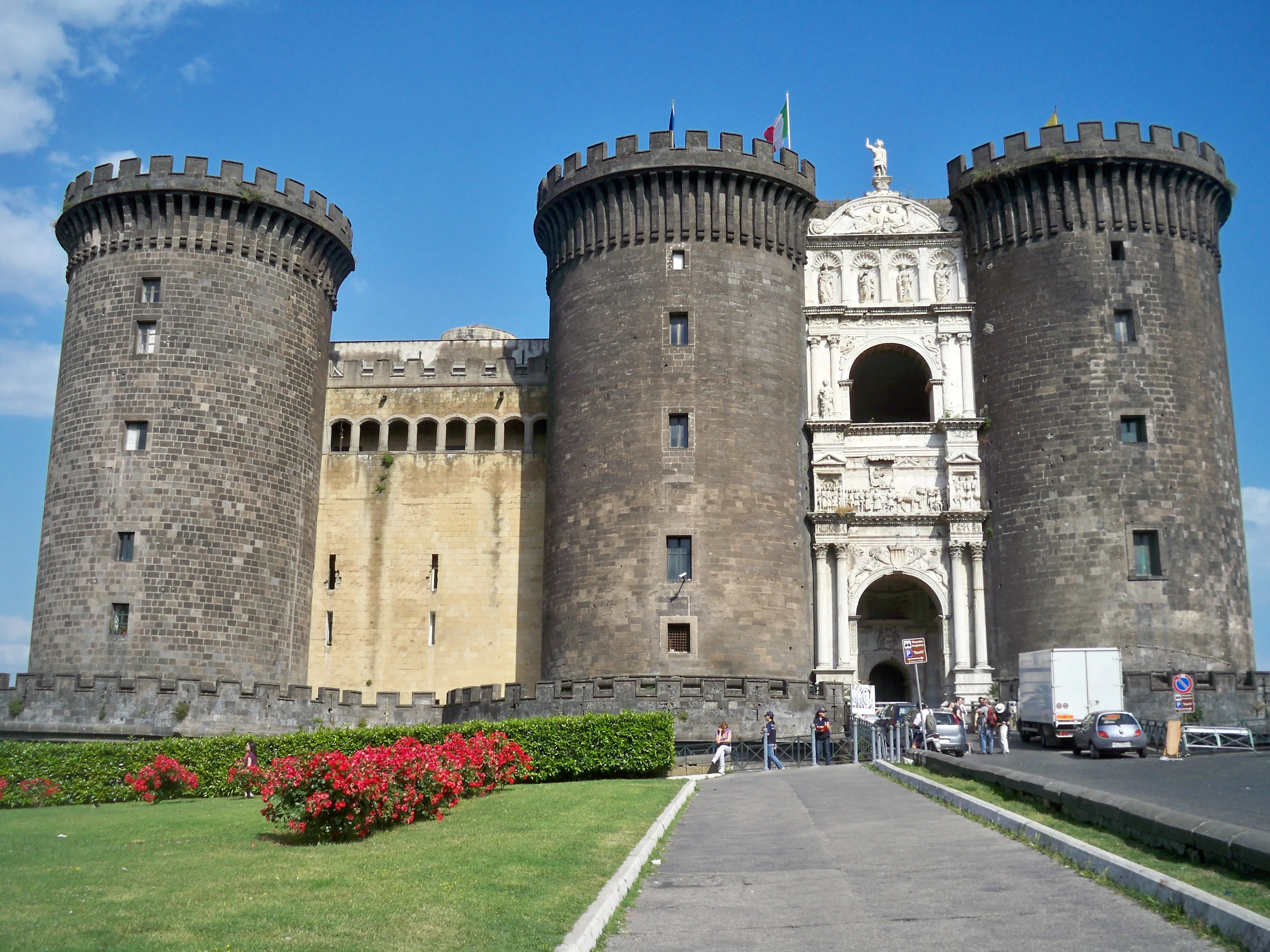
Long before espresso bars, football chants, and buzzing scooters defined the city’s soundtrack, Naples began as a Greek settlement known as Neapolis—literally the ‘new city.’ Founded in a strategic position on a generous gulf, it quickly became a cultural and commercial hinge between the Greek world and Italic communities inland. Even in its earliest centuries, Naples was not an isolated outpost but a meeting point where languages, rituals, and maritime routes crossed every day. That cosmopolitan DNA still pulses through the city now, visible in everything from street vocabulary to culinary traditions and neighborhood identities.
Under Roman rule, Naples evolved into a prized urban center admired for learning, villas, and theater culture, while the wider Campania plain flourished as one of the empire’s most productive and sophisticated regions. After Rome, the area passed through complex political eras—Byzantine influence, duchies, Norman and Angevin power, Spanish and Bourbon rule—each layer leaving architecture, institutions, and social habits that still shape local life. Modern Naples carries those centuries in plain sight: a church facade may hide ancient columns; a market street may follow Roman alignments; a noble palace may open onto a lane where artisans still work by hand. The city does not separate past and present; it superimposes them, and that is exactly why exploring with intention feels so rewarding.
Historic center, churches, and underground layers
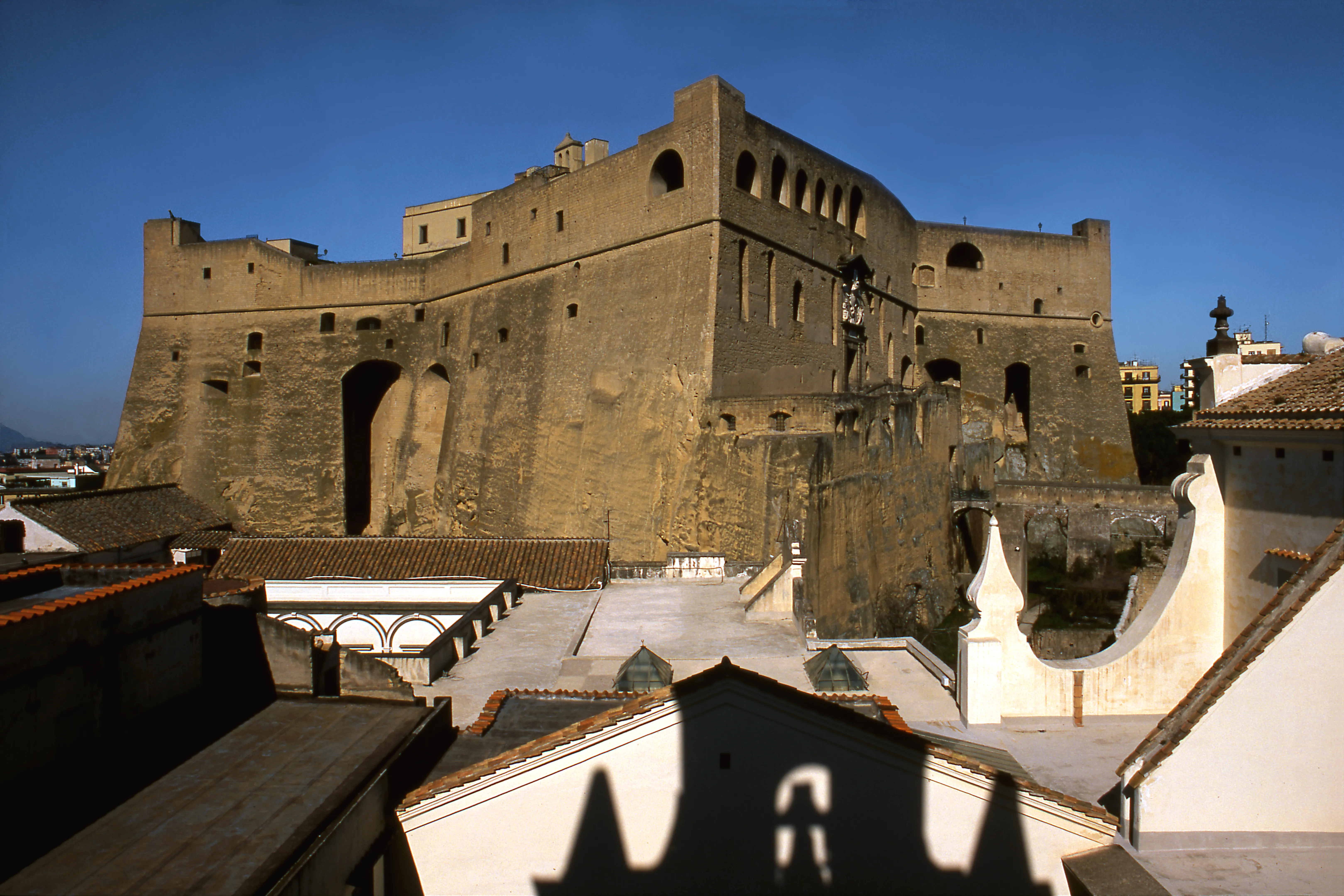
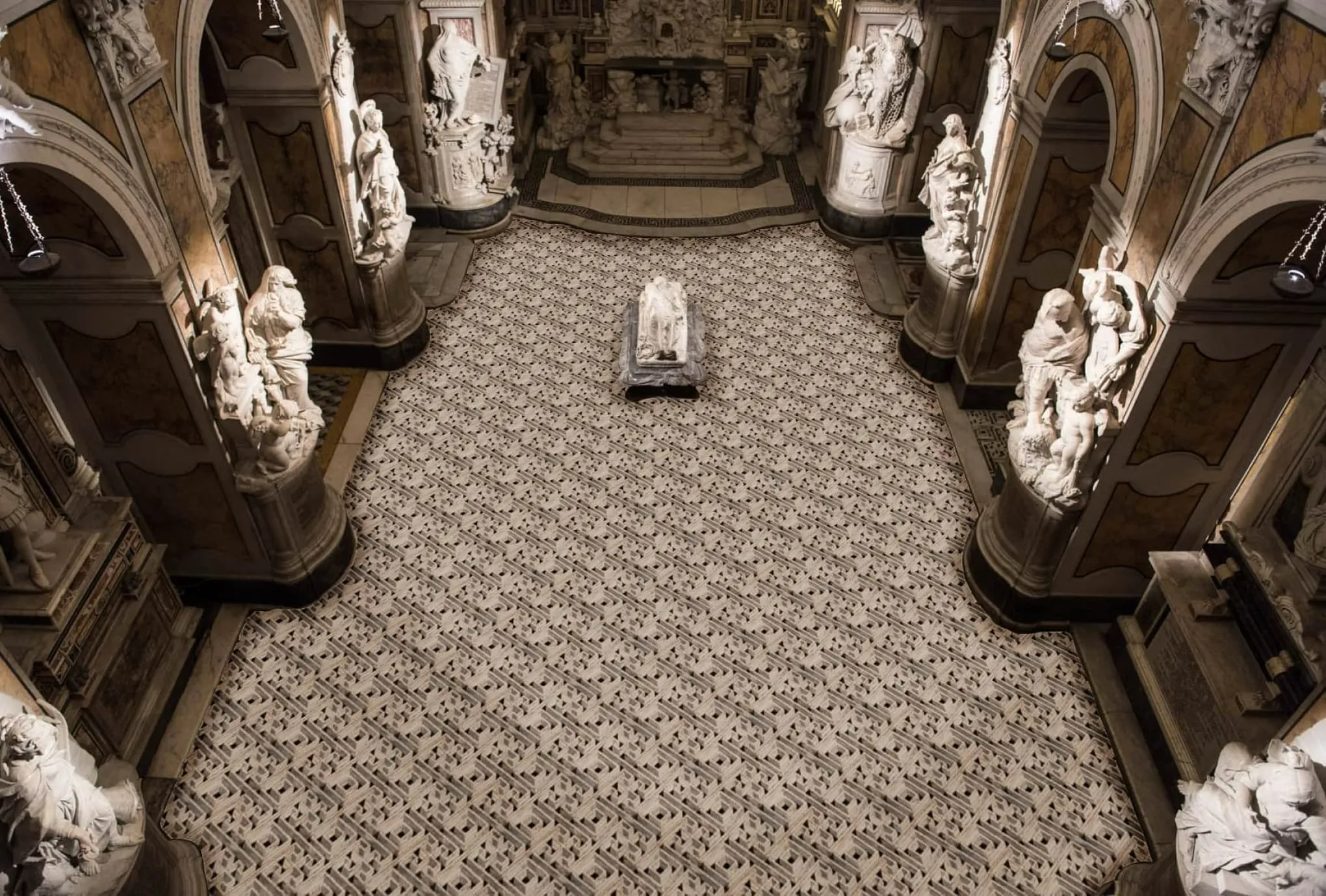
Naples’ historic center is one of Europe’s great urban palimpsests, where streets such as Spaccanapoli cut through centuries of architecture, devotion, and neighborhood life. You can walk from monumental churches to tiny shrines in minutes, passing cloisters, courtyards, artisan workshops, and pastry counters that feel unchanged by time. Here, sacred art and daily routine are never far apart: a priceless chapel can stand beside a family-run store, and a solemn bell tower can overlook children playing football in a narrow lane. This coexistence of grandeur and intimacy is one of the city’s most distinctive qualities.
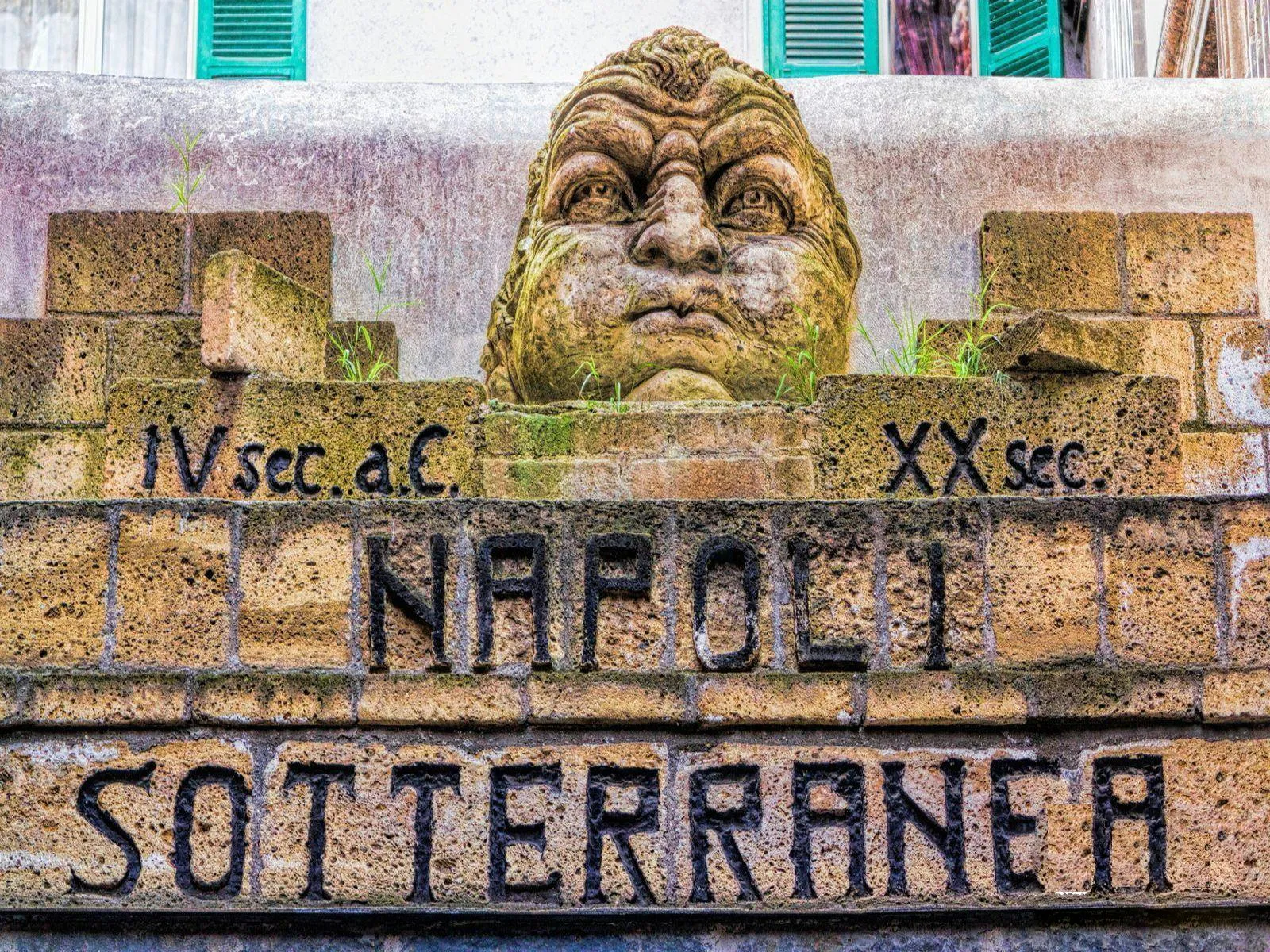
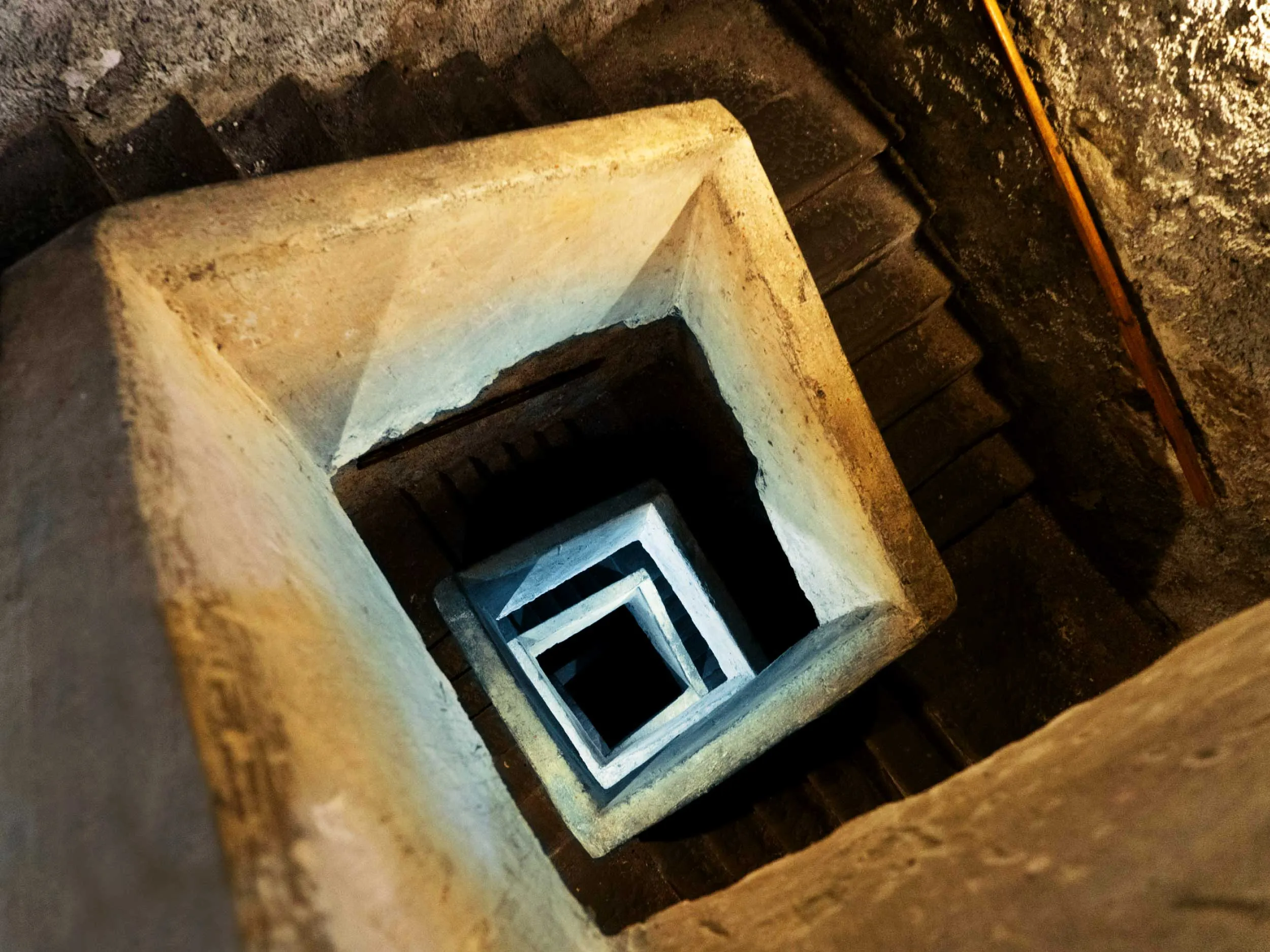
Then there is underground Naples, where ancient aqueducts, Greco-Roman passages, and wartime shelters reveal the city’s hidden anatomy. Descending below street level is often the moment visitors understand Naples most deeply: the same city that appears loud and spontaneous above ground is also technically ingenious, historically dense, and astonishingly resilient. These subterranean spaces are not side attractions—they are keys to reading the city’s long memory.
Pompeii, Herculaneum, and the Vesuvian memory
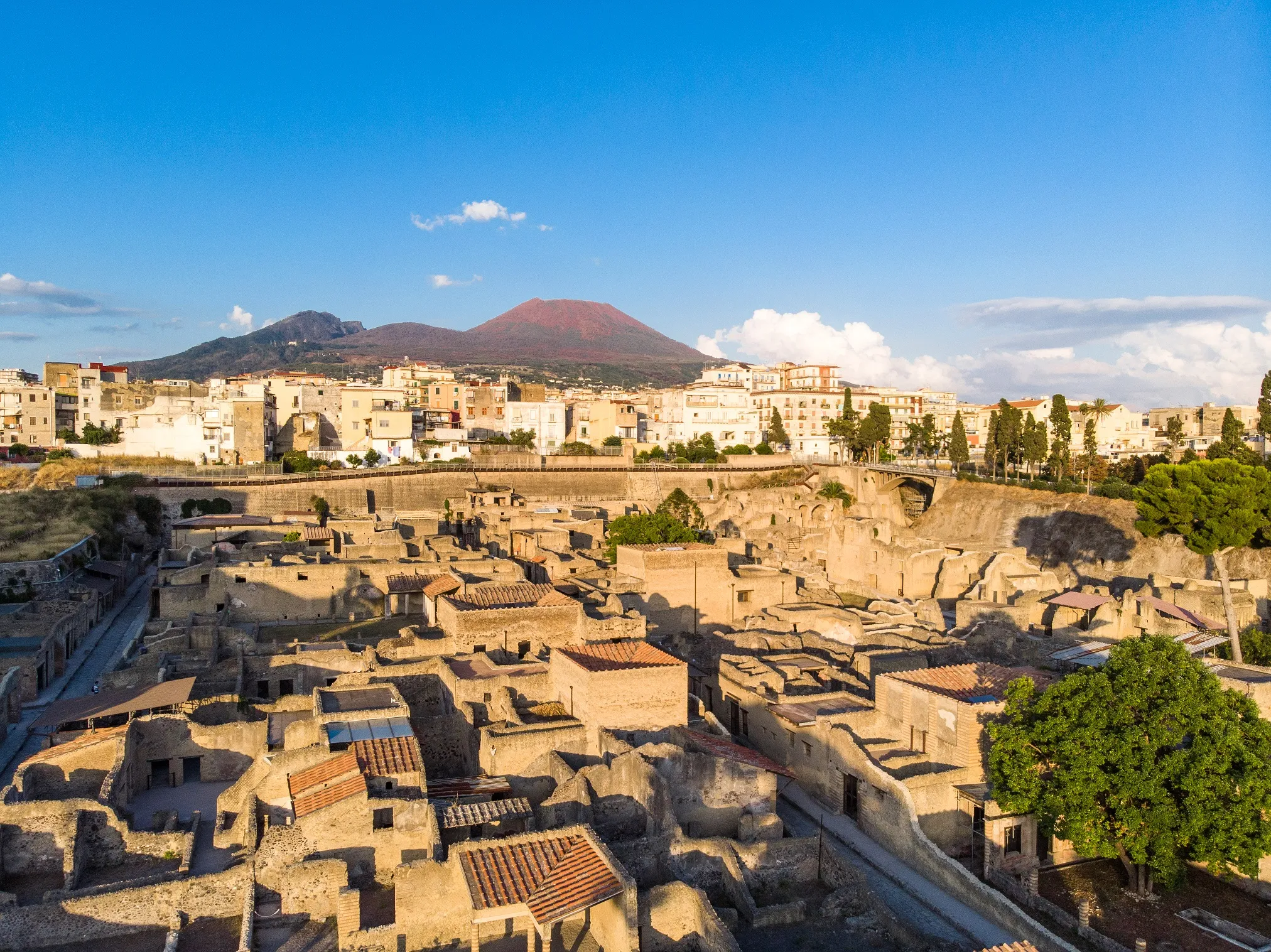
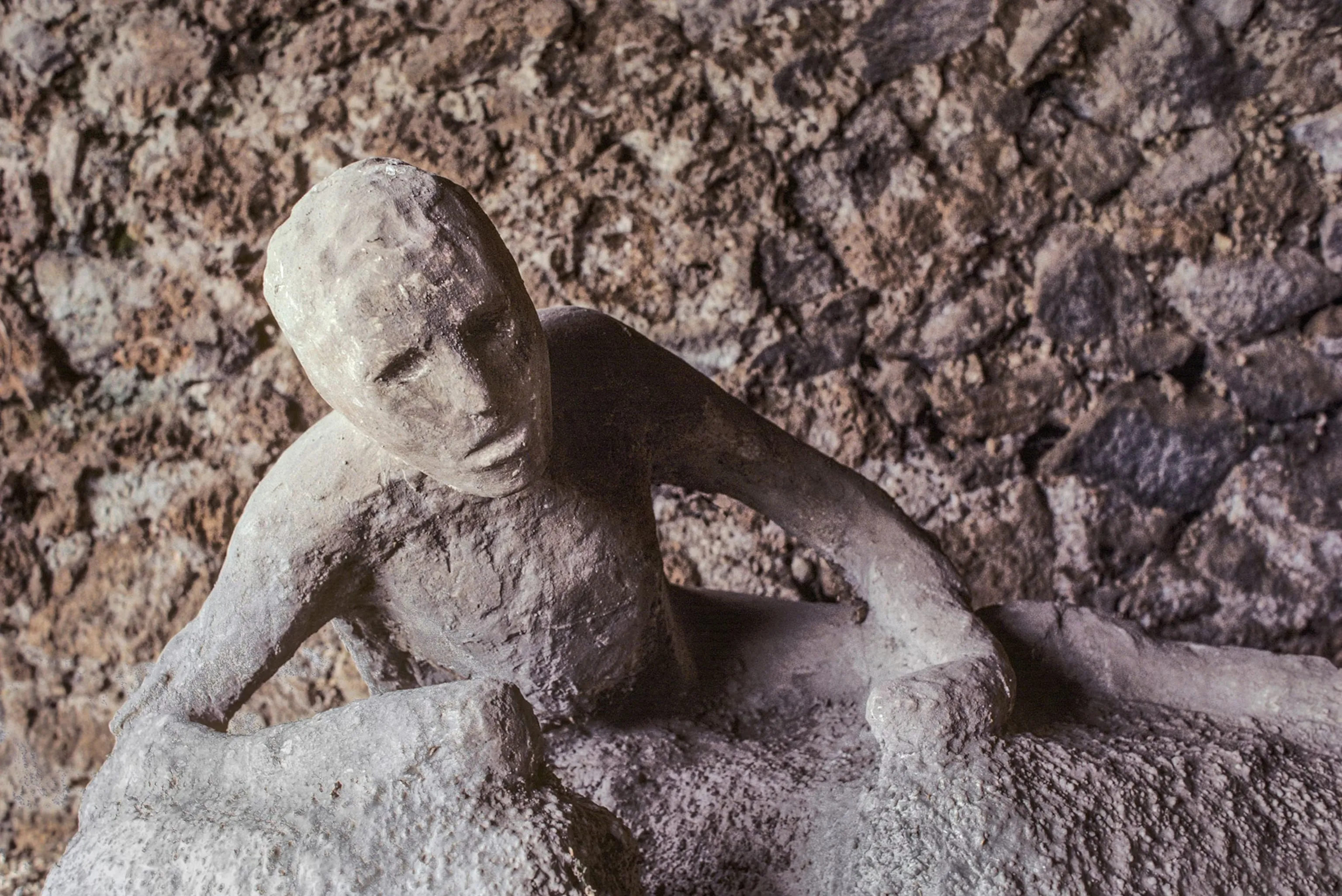
In 79 CE, the eruption of Vesuvius transformed nearby Roman towns into time capsules of extraordinary historical value. Pompeii offers broad urban scale—forums, theaters, taverns, villas, workshops—while Herculaneum, often more compact and intimate, preserves structural details and organic materials with startling immediacy. Together they reveal how people cooked, traded, worshipped, decorated homes, and navigated social status in daily life. Few places in the world communicate antiquity with such human clarity.
Visiting these sites after seeing Naples museums creates a powerful dialogue: frescoes, statues, and objects displayed indoors reconnect with the streets and buildings where they once belonged. You begin to read history not as isolated masterpieces, but as lived environments shaped by risk, wealth, faith, technology, and sudden catastrophe. The Vesuvian story is tragic, but it also preserves voices that would otherwise be lost forever.
Museums, mosaics, and masterpieces
Naples and Campania host collections of exceptional depth, where Greek and Roman antiquity meets Renaissance and Baroque brilliance. The Naples National Archaeological Museum is often the anchor: its Farnese sculptures, mosaics from Pompeii, and everyday objects create a vivid map of ancient Mediterranean life. Yet the cultural ecosystem is much broader, including palace museums, ecclesiastical treasures, and specialized institutions that reward slower, curious travelers.
What makes these museums memorable is not only artistic quality but emotional range. One room may hold imperial power in marble form; the next may display intimate domestic fragments that feel surprisingly familiar. With Artecard, visitors can move between these different scales—epic and personal, monumental and ordinary—without losing momentum.
Royal power: Bourbon Naples and Caserta
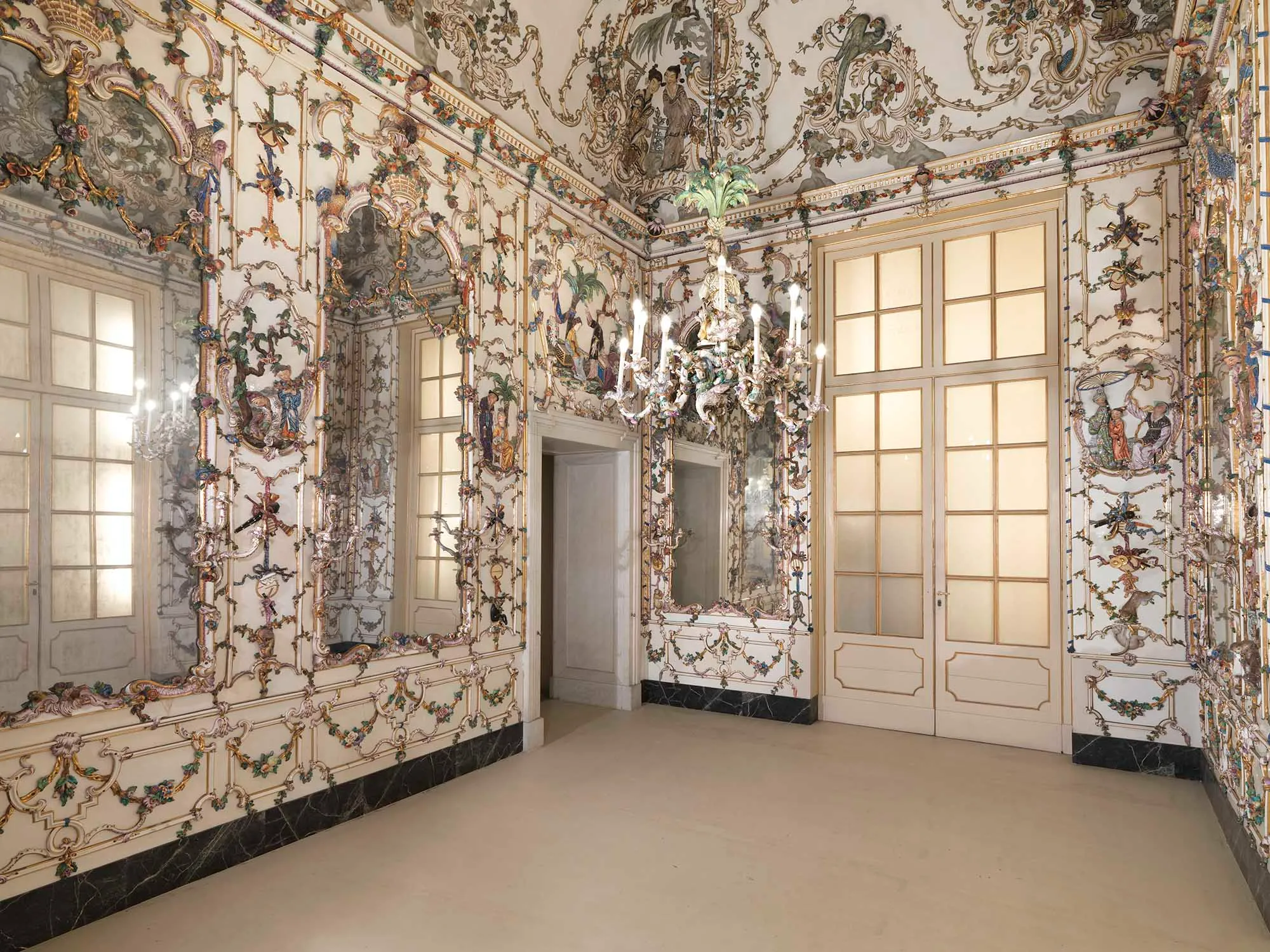
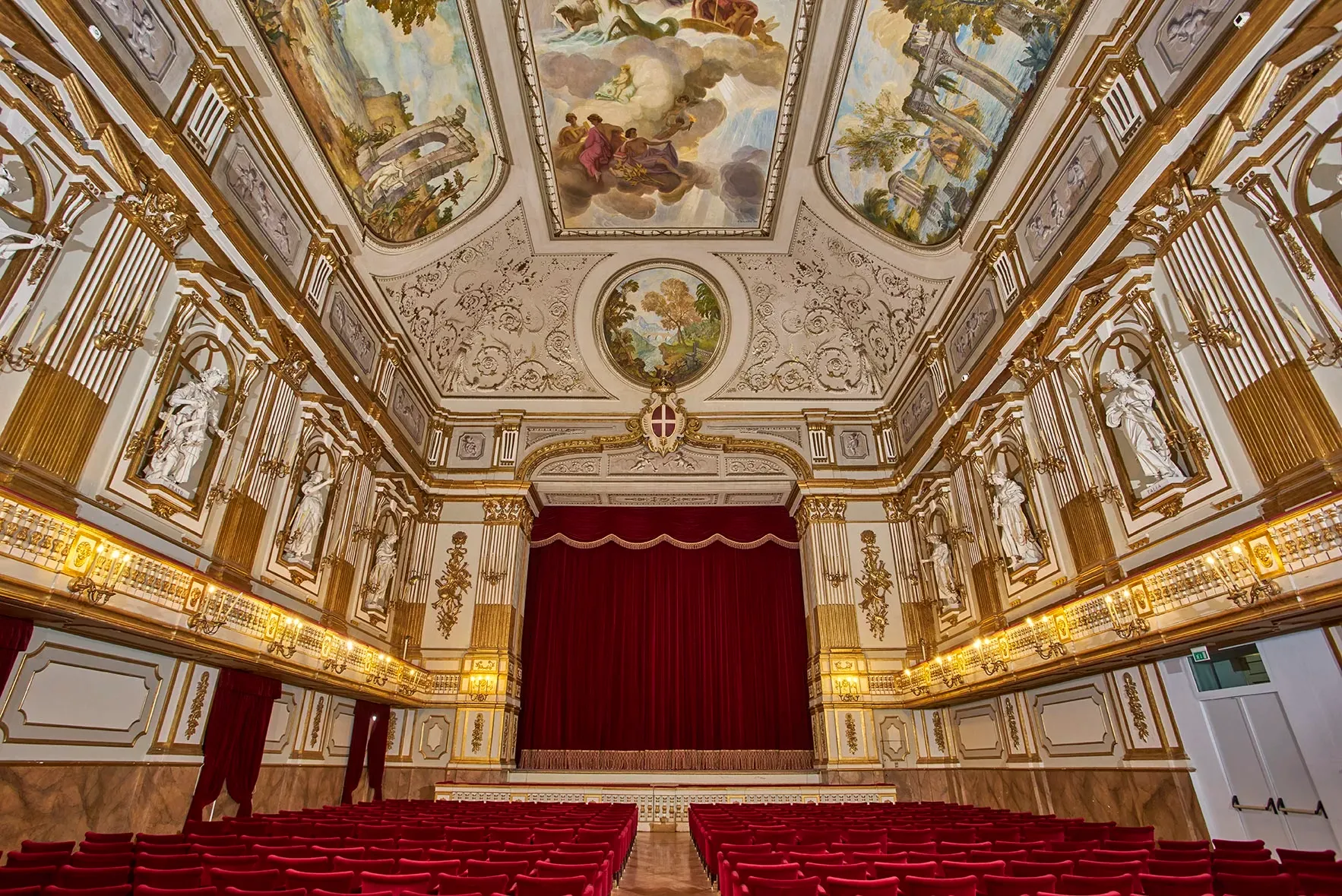
The Bourbon period left a powerful architectural legacy in southern Italy, and nowhere is it more theatrical than in royal residences tied to Naples and Caserta. Monumental staircases, ceremonial halls, formal gardens, and urban planning projects reflected a vision of authority that was at once political and aesthetic. These spaces were designed to impress ambassadors, discipline ceremonial life, and project continuity during periods of major European change.
Today, visiting these sites offers more than decorative splendor. You can trace how court culture interacted with administration, military strategy, engineering, and artistic patronage. In practical terms, they also provide a contrasting pace to dense urban itineraries: broader spaces, longer sightlines, and a quieter rhythm after the intensity of central Naples.
Port city, trade routes, and Mediterranean crossroads
Naples has always looked outward. Its port connected the city to islands, Mediterranean markets, diplomatic circuits, and migration routes that shaped both economy and identity. Goods, ideas, artistic styles, and people moved through this coastline in continuous waves. That maritime openness helps explain why Naples can feel simultaneously local and global, rooted and improvisational.
In modern times, this role remains visible in transport hubs, multicultural neighborhoods, and the practical rhythm of everyday commerce. For travelers, it means the city is not a museum frozen in beauty: it is a working urban organism where heritage and movement are inseparable.
Campania landscapes: sea, volcano, and fertile plains
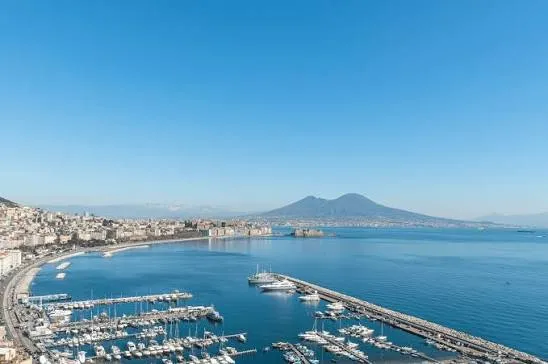
Campania’s cultural history cannot be separated from its geography. The Bay of Naples, the volcanic systems around Vesuvius and the Phlegraean Fields, and the fertile inland plains created both opportunity and vulnerability. Rich soils supported agriculture and urban growth, while seismic and volcanic risks repeatedly tested human resilience. This tension between abundance and uncertainty still defines regional identity.
When you travel with Artecard from dense city blocks to open archaeological parks, you experience that geography directly. Distances are manageable, but each zone has a distinct character, from coastal light and maritime air to inland monumental complexes and ancient road networks. The variety is one of Campania’s greatest strengths.
Crowds, safety, and accessibility in real travel
Naples is energetic and sometimes chaotic, which is part of its charm, but practical awareness makes the experience smoother. Busy transport nodes, famous museums, and major archaeological parks can see long lines and dense foot traffic, particularly late morning. Keep essentials secure, allow time buffers, and avoid overloading your itinerary with too many distant stops in one day.
Accessibility is improving, yet conditions vary from modern museum infrastructure to ancient stone paths with slopes and irregular surfaces. Travelers with mobility considerations should pre-check route details for each site, ask about adapted entrances, and prioritize realistic pacing. A well-paced plan always beats an over-ambitious one.
Rituals, festivals, and everyday Neapolitan culture
Naples is famous for grand celebrations, religious traditions, music, and neighborhood festivals that animate streets and squares throughout the year. Beyond headline events, culture is performed daily: morning espresso rituals at the bar, animated market conversations, Sunday family lunches, evening promenades, and spontaneous street performances that turn ordinary corners into social theaters.
For visitors, this means the city rewards attention to small moments as much as major monuments. A short pause in a local bakery, a chat with a bookseller, or a view from a side street can become as memorable as a museum masterpiece. Artecard handles logistics; the city provides the human texture.
Artecard strategy: passes, timing, and value
The biggest difference between a stressful trip and a rewarding one is strategy. Start by defining your non-negotiables: for example, one flagship Naples museum, one Vesuvian archaeological site, and one atmospheric neighborhood walk. Then select the Artecard version that supports those goals with the right duration and mobility coverage. This simple framework prevents overbooking and helps you enjoy each place properly.
Value is not only financial. Yes, the card can reduce total cost, but its real strength is cognitive simplicity: fewer separate purchases, less queue uncertainty, and a clearer decision flow during the day. Activate early, reserve where required, and group nearby visits together. You will feel the difference immediately.
Preserving heritage in living neighborhoods
Conservation in Naples and Campania is an ongoing, delicate process. Sites are not isolated monuments; they are embedded in active neighborhoods, transport systems, and social life. Restoration teams face technical, financial, and environmental challenges, from stone degradation and humidity to high visitor pressure and urban complexity.
Responsible tourism plays a real role. By following site rules, respecting sacred spaces, supporting official institutions, and visiting beyond only the most crowded hotspots, travelers contribute to a more sustainable cultural ecosystem. Artecard can help distribute visits intelligently across multiple venues rather than concentrating everyone in the same few places.
Day trips and lesser-known archaeological gems

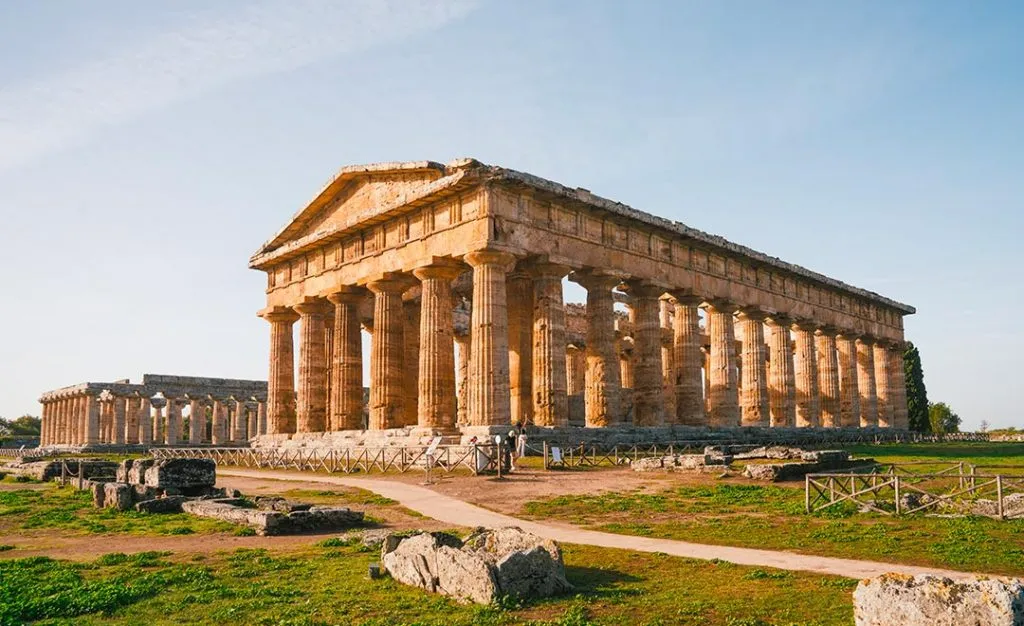
Beyond the famous names, Campania offers remarkable secondary destinations for curious travelers: smaller archaeological parks, hilltop towns, Roman villas, and museum collections that receive fewer crowds but deliver rich context. These side trips are ideal if you have additional time or want to balance marquee attractions with quieter, more reflective visits.
A thoughtful itinerary might combine one major site with one lesser-known location each day. This rhythm avoids burnout, deepens understanding, and often creates your most personal memories—those moments when history feels close, unhurried, and unexpectedly intimate.
Why Artecard reveals the region’s true narrative
On paper, Artecard is a practical product: entries, transport benefits, and timed validity. In practice, it can become a storytelling framework. It links museum objects to excavation sites, city life to volcanic landscapes, and royal architecture to everyday neighborhoods where local traditions still thrive. Instead of collecting disconnected checkmarks, you follow relationships—between places, eras, and communities.
By the end of your trip, what stays with you is not only what you saw, but how coherently you experienced it: the morning statue that reappeared in your mind while walking an ancient street; the church silence after a noisy market; the sea breeze after hours among ruins. Artecard works best when it helps you travel this way—curious, attentive, and open to the layered identity that makes Naples and Campania so deeply unforgettable.
Table of Contents
From Greek Neapolis to modern Naples
Long before espresso bars, football chants, and buzzing scooters defined the city’s soundtrack, Naples began as a Greek settlement known as Neapolis—literally the ‘new city.’ Founded in a strategic position on a generous gulf, it quickly became a cultural and commercial hinge between the Greek world and Italic communities inland. Even in its earliest centuries, Naples was not an isolated outpost but a meeting point where languages, rituals, and maritime routes crossed every day. That cosmopolitan DNA still pulses through the city now, visible in everything from street vocabulary to culinary traditions and neighborhood identities.
Under Roman rule, Naples evolved into a prized urban center admired for learning, villas, and theater culture, while the wider Campania plain flourished as one of the empire’s most productive and sophisticated regions. After Rome, the area passed through complex political eras—Byzantine influence, duchies, Norman and Angevin power, Spanish and Bourbon rule—each layer leaving architecture, institutions, and social habits that still shape local life. Modern Naples carries those centuries in plain sight: a church facade may hide ancient columns; a market street may follow Roman alignments; a noble palace may open onto a lane where artisans still work by hand. The city does not separate past and present; it superimposes them, and that is exactly why exploring with intention feels so rewarding.
Historic center, churches, and underground layers
Naples’ historic center is one of Europe’s great urban palimpsests, where streets such as Spaccanapoli cut through centuries of architecture, devotion, and neighborhood life. You can walk from monumental churches to tiny shrines in minutes, passing cloisters, courtyards, artisan workshops, and pastry counters that feel unchanged by time. Here, sacred art and daily routine are never far apart: a priceless chapel can stand beside a family-run store, and a solemn bell tower can overlook children playing football in a narrow lane. This coexistence of grandeur and intimacy is one of the city’s most distinctive qualities.
Then there is underground Naples, where ancient aqueducts, Greco-Roman passages, and wartime shelters reveal the city’s hidden anatomy. Descending below street level is often the moment visitors understand Naples most deeply: the same city that appears loud and spontaneous above ground is also technically ingenious, historically dense, and astonishingly resilient. These subterranean spaces are not side attractions—they are keys to reading the city’s long memory.
Pompeii, Herculaneum, and the Vesuvian memory
In 79 CE, the eruption of Vesuvius transformed nearby Roman towns into time capsules of extraordinary historical value. Pompeii offers broad urban scale—forums, theaters, taverns, villas, workshops—while Herculaneum, often more compact and intimate, preserves structural details and organic materials with startling immediacy. Together they reveal how people cooked, traded, worshipped, decorated homes, and navigated social status in daily life. Few places in the world communicate antiquity with such human clarity.
Visiting these sites after seeing Naples museums creates a powerful dialogue: frescoes, statues, and objects displayed indoors reconnect with the streets and buildings where they once belonged. You begin to read history not as isolated masterpieces, but as lived environments shaped by risk, wealth, faith, technology, and sudden catastrophe. The Vesuvian story is tragic, but it also preserves voices that would otherwise be lost forever.
Museums, mosaics, and masterpieces
Naples and Campania host collections of exceptional depth, where Greek and Roman antiquity meets Renaissance and Baroque brilliance. The Naples National Archaeological Museum is often the anchor: its Farnese sculptures, mosaics from Pompeii, and everyday objects create a vivid map of ancient Mediterranean life. Yet the cultural ecosystem is much broader, including palace museums, ecclesiastical treasures, and specialized institutions that reward slower, curious travelers.
What makes these museums memorable is not only artistic quality but emotional range. One room may hold imperial power in marble form; the next may display intimate domestic fragments that feel surprisingly familiar. With Artecard, visitors can move between these different scales—epic and personal, monumental and ordinary—without losing momentum.
Royal power: Bourbon Naples and Caserta
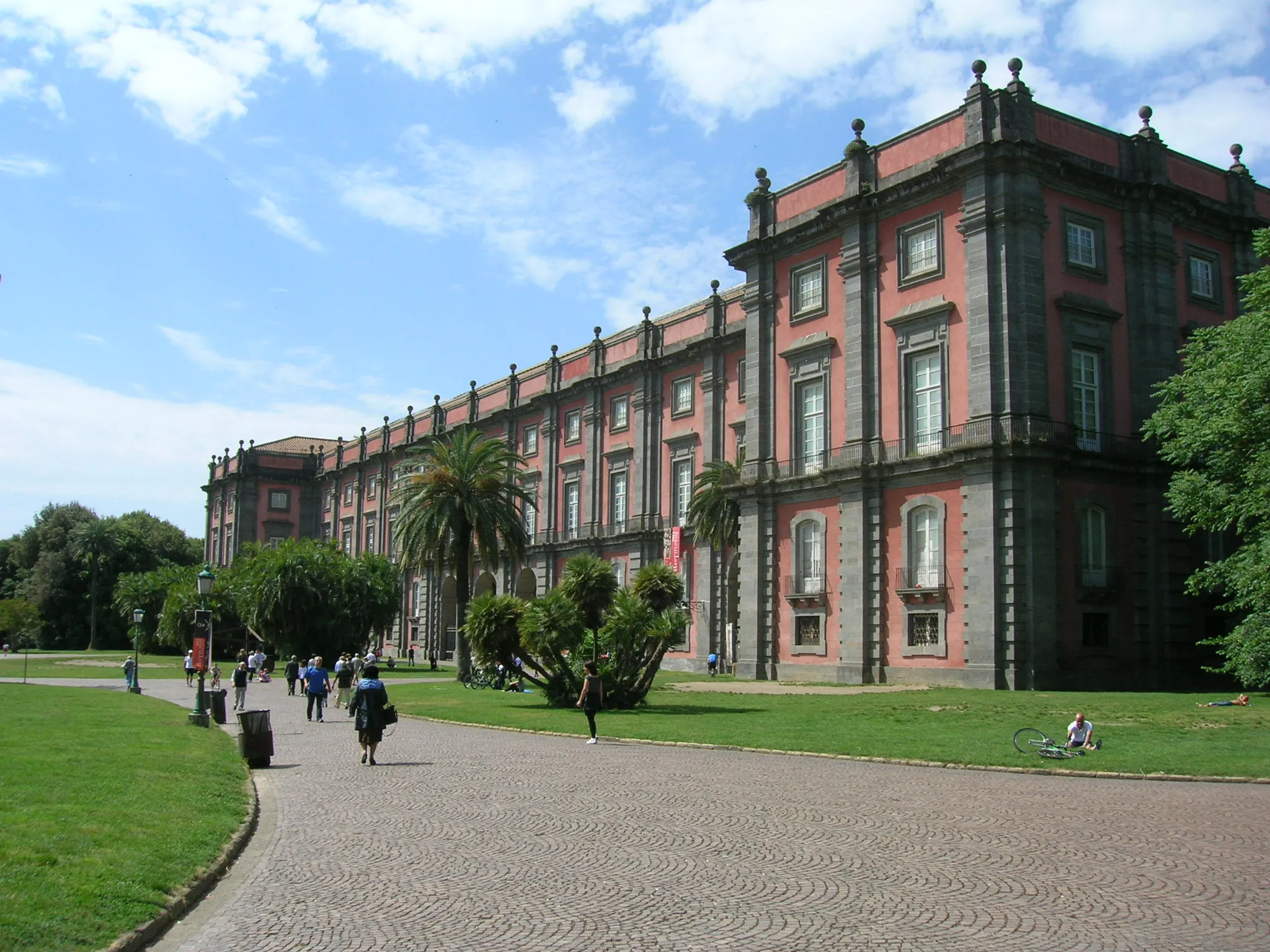
The Bourbon period left a powerful architectural legacy in southern Italy, and nowhere is it more theatrical than in royal residences tied to Naples and Caserta. Monumental staircases, ceremonial halls, formal gardens, and urban planning projects reflected a vision of authority that was at once political and aesthetic. These spaces were designed to impress ambassadors, discipline ceremonial life, and project continuity during periods of major European change.
Today, visiting these sites offers more than decorative splendor. You can trace how court culture interacted with administration, military strategy, engineering, and artistic patronage. In practical terms, they also provide a contrasting pace to dense urban itineraries: broader spaces, longer sightlines, and a quieter rhythm after the intensity of central Naples.
Port city, trade routes, and Mediterranean crossroads
Naples has always looked outward. Its port connected the city to islands, Mediterranean markets, diplomatic circuits, and migration routes that shaped both economy and identity. Goods, ideas, artistic styles, and people moved through this coastline in continuous waves. That maritime openness helps explain why Naples can feel simultaneously local and global, rooted and improvisational.
In modern times, this role remains visible in transport hubs, multicultural neighborhoods, and the practical rhythm of everyday commerce. For travelers, it means the city is not a museum frozen in beauty: it is a working urban organism where heritage and movement are inseparable.
Campania landscapes: sea, volcano, and fertile plains
Campania’s cultural history cannot be separated from its geography. The Bay of Naples, the volcanic systems around Vesuvius and the Phlegraean Fields, and the fertile inland plains created both opportunity and vulnerability. Rich soils supported agriculture and urban growth, while seismic and volcanic risks repeatedly tested human resilience. This tension between abundance and uncertainty still defines regional identity.
When you travel with Artecard from dense city blocks to open archaeological parks, you experience that geography directly. Distances are manageable, but each zone has a distinct character, from coastal light and maritime air to inland monumental complexes and ancient road networks. The variety is one of Campania’s greatest strengths.
Crowds, safety, and accessibility in real travel
Naples is energetic and sometimes chaotic, which is part of its charm, but practical awareness makes the experience smoother. Busy transport nodes, famous museums, and major archaeological parks can see long lines and dense foot traffic, particularly late morning. Keep essentials secure, allow time buffers, and avoid overloading your itinerary with too many distant stops in one day.
Accessibility is improving, yet conditions vary from modern museum infrastructure to ancient stone paths with slopes and irregular surfaces. Travelers with mobility considerations should pre-check route details for each site, ask about adapted entrances, and prioritize realistic pacing. A well-paced plan always beats an over-ambitious one.
Rituals, festivals, and everyday Neapolitan culture
Naples is famous for grand celebrations, religious traditions, music, and neighborhood festivals that animate streets and squares throughout the year. Beyond headline events, culture is performed daily: morning espresso rituals at the bar, animated market conversations, Sunday family lunches, evening promenades, and spontaneous street performances that turn ordinary corners into social theaters.
For visitors, this means the city rewards attention to small moments as much as major monuments. A short pause in a local bakery, a chat with a bookseller, or a view from a side street can become as memorable as a museum masterpiece. Artecard handles logistics; the city provides the human texture.
Artecard strategy: passes, timing, and value
The biggest difference between a stressful trip and a rewarding one is strategy. Start by defining your non-negotiables: for example, one flagship Naples museum, one Vesuvian archaeological site, and one atmospheric neighborhood walk. Then select the Artecard version that supports those goals with the right duration and mobility coverage. This simple framework prevents overbooking and helps you enjoy each place properly.
Value is not only financial. Yes, the card can reduce total cost, but its real strength is cognitive simplicity: fewer separate purchases, less queue uncertainty, and a clearer decision flow during the day. Activate early, reserve where required, and group nearby visits together. You will feel the difference immediately.
Preserving heritage in living neighborhoods
Conservation in Naples and Campania is an ongoing, delicate process. Sites are not isolated monuments; they are embedded in active neighborhoods, transport systems, and social life. Restoration teams face technical, financial, and environmental challenges, from stone degradation and humidity to high visitor pressure and urban complexity.
Responsible tourism plays a real role. By following site rules, respecting sacred spaces, supporting official institutions, and visiting beyond only the most crowded hotspots, travelers contribute to a more sustainable cultural ecosystem. Artecard can help distribute visits intelligently across multiple venues rather than concentrating everyone in the same few places.
Day trips and lesser-known archaeological gems
Beyond the famous names, Campania offers remarkable secondary destinations for curious travelers: smaller archaeological parks, hilltop towns, Roman villas, and museum collections that receive fewer crowds but deliver rich context. These side trips are ideal if you have additional time or want to balance marquee attractions with quieter, more reflective visits.
A thoughtful itinerary might combine one major site with one lesser-known location each day. This rhythm avoids burnout, deepens understanding, and often creates your most personal memories—those moments when history feels close, unhurried, and unexpectedly intimate.
Why Artecard reveals the region’s true narrative
On paper, Artecard is a practical product: entries, transport benefits, and timed validity. In practice, it can become a storytelling framework. It links museum objects to excavation sites, city life to volcanic landscapes, and royal architecture to everyday neighborhoods where local traditions still thrive. Instead of collecting disconnected checkmarks, you follow relationships—between places, eras, and communities.
By the end of your trip, what stays with you is not only what you saw, but how coherently you experienced it: the morning statue that reappeared in your mind while walking an ancient street; the church silence after a noisy market; the sea breeze after hours among ruins. Artecard works best when it helps you travel this way—curious, attentive, and open to the layered identity that makes Naples and Campania so deeply unforgettable.